Fomic Medical Student on Internship in Limbe Regional Hospital
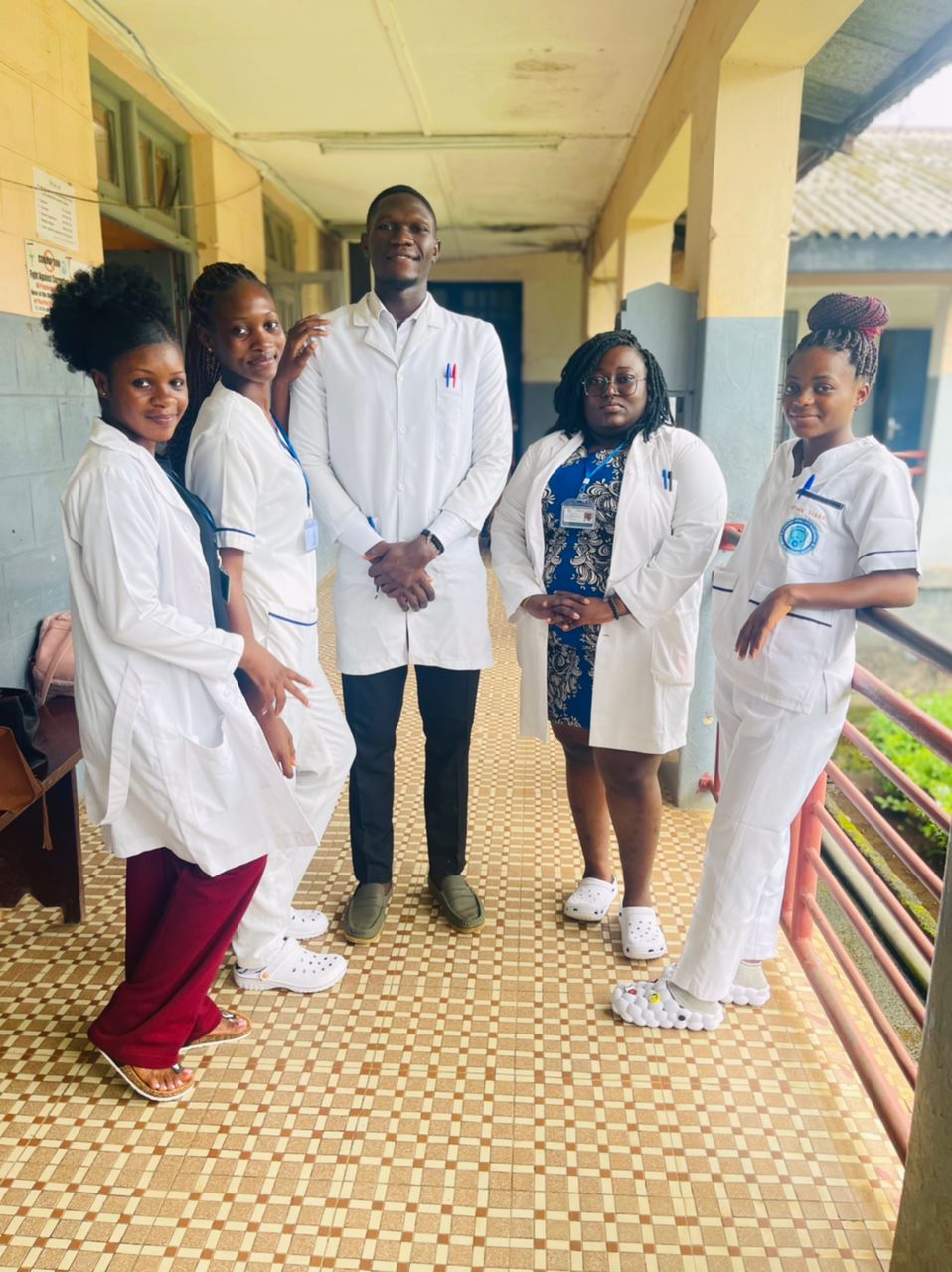
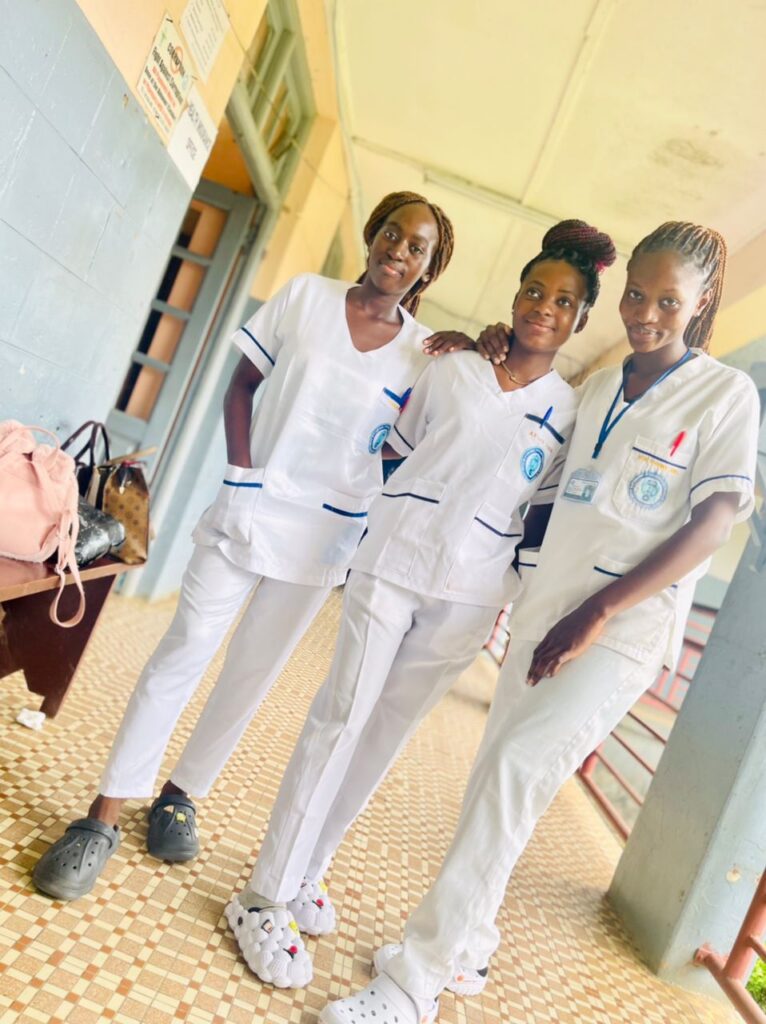
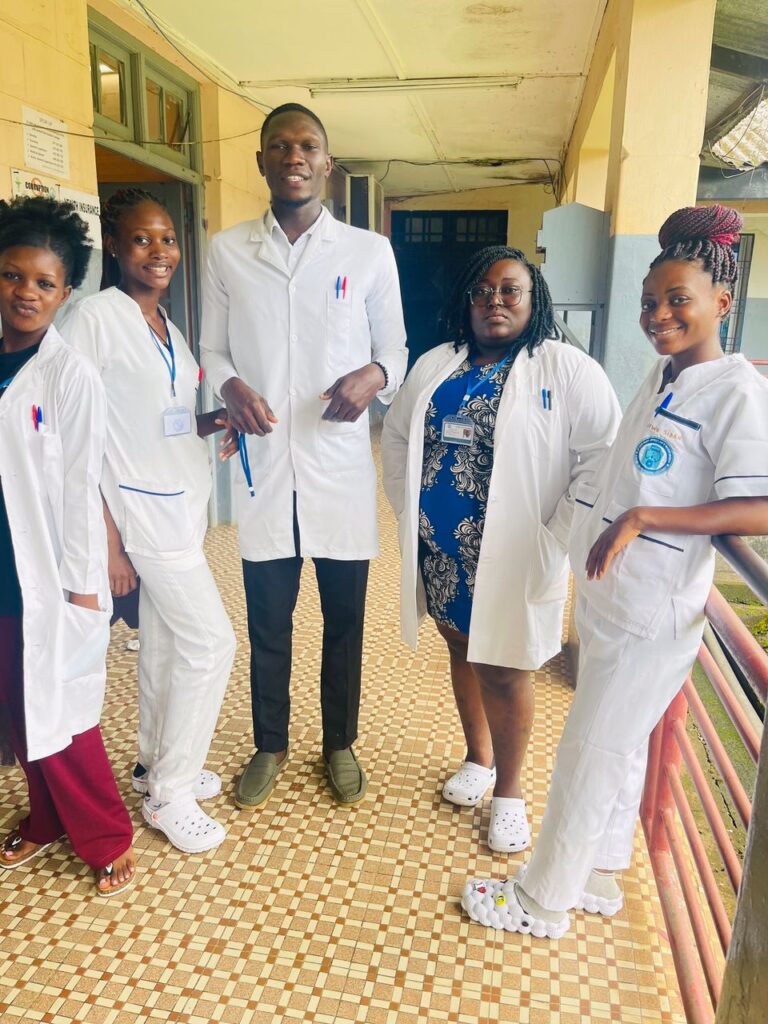
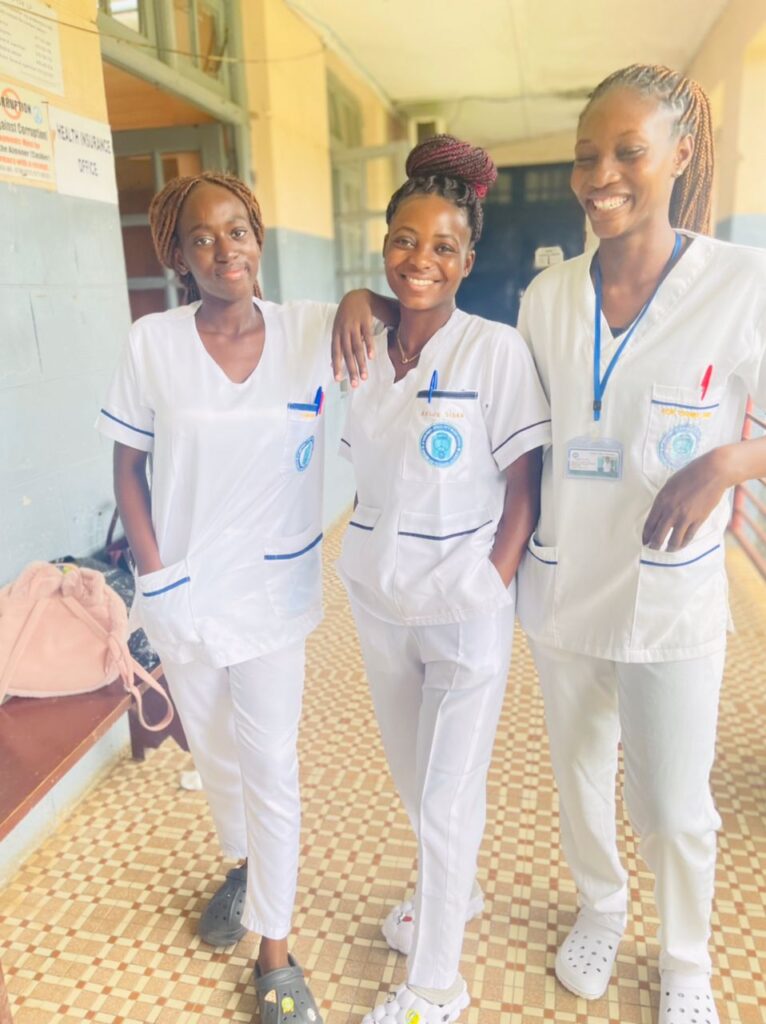
FOMIC Medical Students on Internship at Limbe Regional Hospital
At FOMIC Polytechnic University, education extends far beyond the classroom walls. True to its mission of combining academic excellence with professional experience, the School of Medical and Biomedical Sciences provides its students with valuable hands-on learning opportunities in real healthcare settings. One of the most impactful of these opportunities is the medical internship program at the Limbe Regional Hospital, one of Cameroon’s leading healthcare institutions.
Bridging Theory and Practice
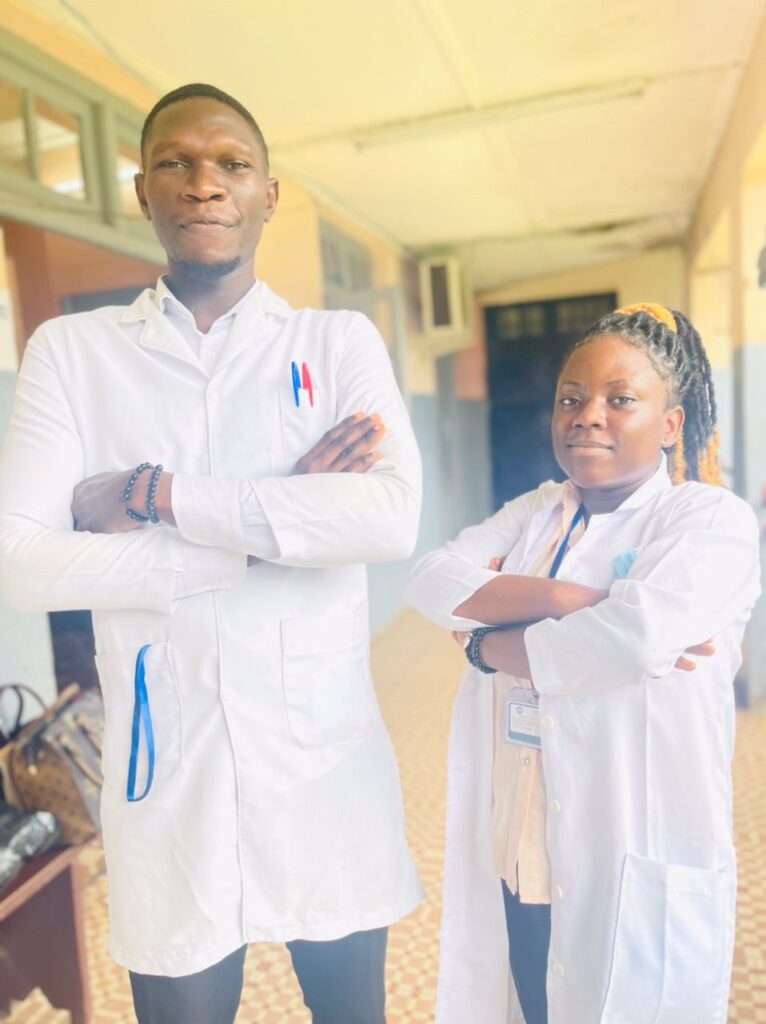
The internship at Limbe Regional Hospital forms an essential component of FOMIC’s medical and biomedical training. Through this collaboration, students are able to put into practice the knowledge and techniques acquired during their classroom and laboratory sessions. Under the supervision of experienced doctors, nurses, and laboratory technologists, they gain first-hand exposure to clinical procedures, patient care, and hospital administration.
During this internship, FOMIC students rotate through various hospital departments, including Internal Medicine, Surgery, Pediatrics, Obstetrics and Gynecology, Nursing, Medical Laboratory Science, Public Health, and Physiotherapy. This structured rotation allows them to understand how different medical disciplines interconnect and how collaborative care improves patient outcomes.
Learning Through Real-Life Experience
For many FOMIC students, the Limbe Regional Hospital internship represents their first major exposure to real patients, real challenges, and real responsibilities. Guided by professional mentors, they learn to conduct patient interviews, record vital signs, interpret laboratory results, and participate in ward rounds.
In the Nursing Department, students assist in patient care, monitor recovery progress, and learn essential skills in communication, empathy, and ethical practice. In the Medical Laboratory Science Department, students gain hands-on experience in diagnostic testing—working with blood samples, urine analysis, and microbiological cultures to support accurate diagnoses. Meanwhile, students specializing in Physiotherapy and Public Health apply their knowledge to help rehabilitate patients and design preventive health campaigns for the community.
Dr. Damian Ekwi, Head of the School of Medical and Biomedical Sciences, emphasizes that such practical exposure is vital to FOMIC’s teaching philosophy. “At FOMIC, we believe that medical education must balance theory with application. The internship at Limbe Regional Hospital not only strengthens students’ clinical skills but also shapes their professional character, discipline, and compassion for humanity,” he says.
Mentorship and Professional Development
One of the distinguishing features of this program is its mentorship model. Each student is assigned to a supervising physician or department head who provides guidance throughout their placement. This mentorship ensures that students learn proper clinical procedures, understand medical ethics, and maintain professionalism in every situation.
Many students describe the experience as transformative. They witness firsthand how theoretical principles come alive in patient care—how timely diagnosis, teamwork, and empathy can make the difference between recovery and relapse. They also learn to handle the emotional and psychological dimensions of healthcare—balancing compassion with resilience in the face of human suffering.
Furthermore, through seminars and case discussions organized jointly by FOMIC Polytechnic University and Limbe Regional Hospital, students are encouraged to present clinical findings, debate treatment options, and reflect on global health challenges. This develops their confidence, communication skills, and critical thinking abilities—qualities that are essential for every medical professional.
Exposure to Modern Healthcare Systems
The Limbe Regional Hospital is well-equipped with modern facilities, laboratories, and specialized units. During their internship, FOMIC students interact with new diagnostic technologies and learn to use digital health systems that support patient record-keeping, telemedicine, and data management.
This exposure not only sharpens their technical competence but also familiarizes them with the realities of modern healthcare management—efficiency, data accuracy, and patient-centered service delivery. It is this fusion of medical knowledge, technological awareness, and ethical discipline that makes FOMIC graduates stand out in the competitive health sector.
Serving the Community
Beyond the hospital’s walls, FOMIC students are also engaged in community health outreach programs as part of their internship. Working alongside healthcare professionals and local health authorities, they help organize free screening campaigns, health talks, and sanitation drives in Limbe and neighboring communities.
These outreach activities allow students to understand the social determinants of health and the importance of preventive medicine. They also foster leadership, teamwork, and communication skills, while instilling in them a deep sense of civic responsibility.
“Medicine is not just about curing diseases—it’s about serving people,” says one of the final-year nursing students. “Through this internship, we’ve learned that compassion, patience, and communication are as important as clinical expertise.”
Building Future Health Leaders
FOMIC Polytechnic University’s partnership with Limbe Regional Hospital is more than a training arrangement—it is a strategic collaboration aimed at nurturing the next generation of healthcare leaders. The experience equips students with the practical know-how, ethical values, and interdisciplinary understanding needed to thrive in today’s complex healthcare systems.
Student Testimonials and Impact
Many interns describe their time at Limbe Regional Hospital as both challenging and rewarding. They recall moments of learning under pressure, witnessing lives saved through teamwork, and finding motivation in the resilience of patients.
“I realized that every lab result, every dose, and every conversation matters,” says a Medical Laboratory Science student. “We don’t just learn medicine we learn humanity.”
A Nursing student adds, “This internship has taught me to see patients as individuals with stories, not just symptoms. It’s made me more determined to pursue a career in community health.”
Such reflections highlight the real value of experiential learning at FOMIC education that goes beyond textbooks to build empathy, professionalism, and leadership.
A Step Toward Excellence
By integrating classroom learning with field experience, FOMIC ensures that its students graduate not only as qualified professionals but also as compassionate caregivers and innovators. The Limbe internship serves as a bridge between academic preparation and professional practice—where students refine their technical skills, strengthen their ethical foundation, and gain confidence to face real-world challenges.
As FOMIC Polytechnic University continues to expand its partnerships with healthcare institutions nationwide, the impact of its internship programs will only grow. Each student returning from Limbe carries with them not just memories, but lessons that will shape their future careers and the communities they serve.

You may also like
Students in Practical Work at the Computer Laboratory